
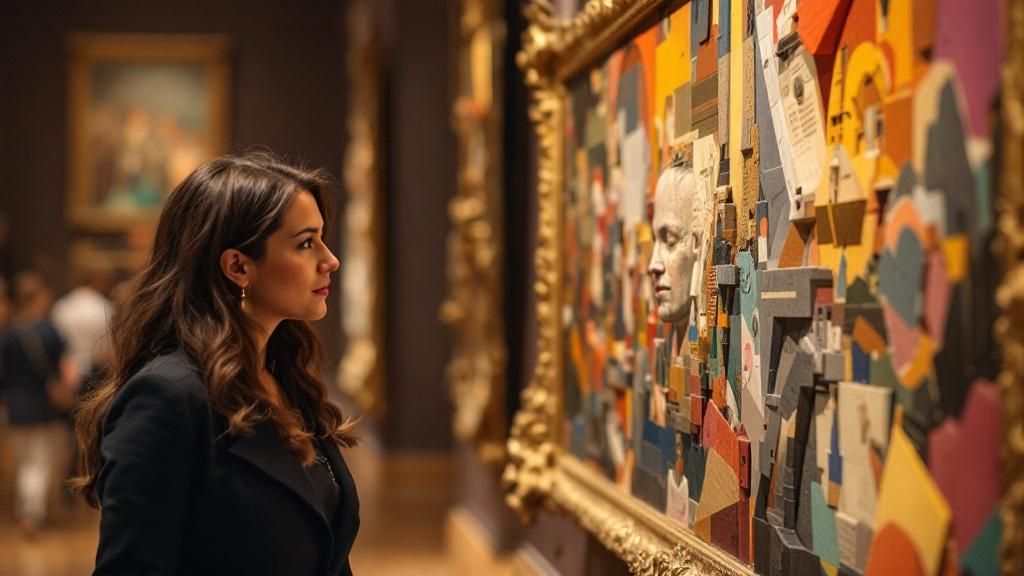
The British Museum has revealed an far-reaching new project to preserve modern creative works for future generations. In a major dedication to contemporary art preservation, the institution has announced significant financial support for innovative conservation programmes intended to overcome the particular issues posed by contemporary materials and techniques. This strategic investment highlights the museum’s recognition that current creative works demand specialised care and skill, guaranteeing that modern creative output remain intact and open for many years ahead.
Growing Conservation Skills
The British Museum’s investment marks a pivotal step in establishing premier conservation capabilities specifically tailored to current creative practices. By setting up focused study units and bringing in principal authorities in contemporary material analysis, the institution aims to build a thorough resource collection tackling the particular safeguarding issues posed by current artistic pieces. This expansion will permit conservators to employ cutting-edge techniques whilst preserving exacting professional guidelines, ensuring that groundbreaking artistic approaches are protected with the equivalent thorough consideration conventionally given to heritage objects and antiquities.
Central to this programme is the engagement of highly experienced conservators with knowledge in contemporary artistic forms and non-traditional materials. The museum recognises that present-day artists regularly work with plastics, synthetic compounds, digital components, and mixed media that pose unprecedented conservation dilemmas. By bringing together a diverse team of specialists, the British Museum will become a foremost leader in present-day artistic preservation, recruiting talented professionals from across the globe and developing collaborative alliances with other leading bodies committed to safeguarding modern cultural heritage.
Furthermore, the programme encompasses broad educational initiatives created to nurture the next generation of conservation professionals. Through apprenticeships, internships, and advanced educational partnerships with universities, the British Museum will confirm that contemporary art conservation expertise remains dynamic and advancing. This investment in career progression ensures that future conservators acquire the specialist expertise necessary to address emerging preservation challenges, ultimately reinforcing the organisation’s capability to safeguard and sustain contemporary artworks indefinitely.
Strategic Initiatives and Budget Distribution
The British Museum’s financial commitment demonstrates a innovative strategy to modern art preservation, with allocated resources directed towards creating state-of-the-art infrastructure and hiring skilled professionals. This deliberate funding commitment emphasises research into novel preservation approaches, tackling the unique difficulties created by modern materials encompassing digital media, artificial polymers, and combined-media pieces. The resource allocation system ensures sustainable, long-term development of preservation expertise whilst preserving the museum’s dedication to audience participation and educational outreach programmes.
Collaborative Expansion
Joint collaborations constitute the foundation of the British Museum’s conservation framework, enabling expertise transfer with leading international institutions and research facilities. Through strategic alliances with academic institutions and conservation specialists, the museum improves its technical expertise and adoption of cutting-edge technologies. These partnerships facilitate collaborative training schemes, permitting conservators to build specialist competencies in treating contemporary artworks. The cooperative model bolsters the broader conservation sector, promoting standardised best practices across institutions worldwide whilst maintaining the British Museum remains at the forefront of contemporary art preservation.
The museum has developed formal agreements with established conservation laboratories and university departments, creating robust networks for exchanging research findings and procedural advances. These partnerships extend beyond traditional museum boundaries, incorporating working relationships with creative practitioners, technologists, and material scientists. Such interdisciplinary collaboration ensures conservation approaches stay attuned to changing creative methodologies and new materials-related issues. The partnerships also facilitate access to advanced tools and expertise previously unavailable within separate organisations, substantially improving preservation capability and capability.
- Joint research projects with prominent academic institutions and conservation organisations
- Collaborative knowledge agreements with global museum institutions and heritage preservation organisations
- Educational programmes created in partnership with expert conservation practitioners
- Digital partnerships with digital preservation and preservation experts
- Artist engagement programmes ensuring modern viewpoints shape conservation practice
The partnership framework reflects the museum’s commitment to developing long-term conservation systems benefiting the whole arts community. By cultivating collaborative relationships, the British Museum aids in developing a comprehensive resource framework for modern art conservation. These collaborations produce significant research findings, extensively shared within research and professional networks, promoting conservation science. The collaborative approach secures resources are used effectively whilst increasing constructive results among diverse institutions and areas.
Emerging Influence and Sector Direction
The British Museum’s commitment to modern artwork preservation sets a fresh standard for cultural institutions across the United Kingdom and beyond. By introducing advanced preservation methodologies, the museum operates as a key voice in managing the evolving complexities of contemporary art forms. This commitment will undoubtedly shape how fellow museums handle their own conservation practices, encouraging a partnership model to protecting current pieces that goes beyond established sectoral divides and promotes expertise transfer within the arts community.
The programme’s cascading impact will permeate the worldwide preservation field, creating benchmarks for optimal approaches in working with current art forms. The British Museum’s knowledge and capabilities will enable newly established and smaller museums to gain from collaborative knowledge exchange and specialist advice. In addition, this programme illustrates that funding for preservation facilities yields considerable gains, well beyond simply art conservation but furthermore in enhancing institutional reputation and securing both resources and capable specialists focused on modern art care.
Looking ahead, the British Museum’s financial support promises to transform how society treasures and preserves present-day artistic output. By creating strong curatorial protocols now, the institution secures that generations to come will be left with a thorough documentation of twenty-first century creativity. This progressive approach underscores the museum’s purpose as custodian of human cultural achievement, whilst simultaneously inspiring a wider dialogue about our shared obligation to protect the cultural bequest that characterises our modern age.
